Mastering the Art of Eye-Catching Displays
Step into the world of captivating art displays where every brushstroke and sculpture is thoughtfully placed to evoke emotions and spark curiosity. In this blog post, we will delve into the intricate realm of mastering the art of eye-catching displays, exploring the psychology behind why certain arrangements resonate with us and leave a lasting impression. You can expect to uncover techniques that go beyond mere aesthetic appeal, guiding you on how to create engaging displays that speak to the soul and draw the viewer in.
From understanding the psychology behind art displays to selecting the perfect pieces for maximum impact, this article will be a comprehensive guide on how to curate a gallery that tells a story and captivates its audience. Join us as we explore the transformative role of lighting in enhancing your art display and discover invaluable tips for creating a cohesive and visually striking exhibition that leaves a lasting mark on all who behold it. Let's embark on a journey together to elevate your display skills and create an immersive art experience that transcends the ordinary

Understanding the Psychology Behind Art Displays
Understanding the Psychology Behind Art Displays
Creating an eye-catching art display is about more than just arranging pieces in a visually appealing manner. It involves delving into the psychology behind how viewers perceive and interact with artwork.
Color theory plays a significant role in the psychology of art displays. Different colors evoke various emotions and responses in viewers. For example, warm tones like reds and oranges can elicit feelings of excitement or energy, while cooler hues like blues and greens are often associated with calmness and tranquility. By strategically incorporating color theory into an art display, you can guide viewers towards experiencing the desired emotional response.
Another crucial aspect of understanding the psychology behind art displays is considering the principles of visual hierarchy. This involves guiding the viewer's eye through the artwork in a deliberate manner. By using techniques such as scale, contrast, and positioning, you can draw attention to focal points within the display, creating a more dynamic and engaging viewing experience.
Furthermore, the arrangement of artwork can subconsciously influence how viewers perceive the pieces. For instance, placing a larger, more dominant piece at eye level can command attention and convey a sense of importance. Additionally, utilizing negative space around artwork can create a sense of balance and enhance the overall visual impact of the display.
In essence, mastering the art of eye-catching displays goes beyond aesthetics; it requires a deep understanding of the psychological factors that shape viewer reactions. By leveraging color theory, visual hierarchy, and thoughtful arrangement techniques, you can create art displays that captivate and resonate with audiences on a deeper level
Techniques for Creating Engaging Visual Displays
Techniques for Creating Engaging Visual Displays
When it comes to mastering the art of eye-catching displays, there are several key techniques that can elevate your visual presentations to the next level. Art displays are more than just arranging objects; they are a form of storytelling that captivates the viewer's attention and evokes a range of emotions. By implementing the right strategies, you can create engaging visual displays that leave a lasting impression.
One essential technique for creating captivating art displays is thoughtful curation. Selecting the right pieces to showcase and arranging them in a cohesive and compelling manner can make all the difference. Consider the overall theme or message you want to convey and choose artworks that align with this vision. Experiment with different placements and consider factors such as scale, color, and texture to create visual interest and balance within your display.
Another important aspect to consider is the use of lighting to enhance your art display. Properly illuminated artworks can command attention and create a dynamic atmosphere. Experiment with different lighting techniques, such as spotlighting key pieces or using ambient light to create a sense of mood and drama. Strategic lighting can draw the viewer's eye to specific focal points within the display and highlight the unique qualities of each artwork.
Furthermore, incorporating elements of contrast and harmony can create a visually stimulating art display. Play with juxtapositions of color, shape, and texture to add depth and complexity to your arrangement. Contrasts in scale or style can create visual tension and intrigue, while harmonious elements can tie the display together and create a sense of unity. Balance these contrasting and harmonious elements to create a visually engaging composition that captures the viewer's interest.
In conclusion, mastering the art of eye-catching displays involves a careful balance of curation, lighting, and visual elements. By implementing these techniques thoughtfully, you can create art displays that are not only visually engaging but also convey a compelling narrative and evoke emotional responses from your audience. With practice and experimentation, you can hone your skills in creating captivating visual displays that leave a lasting impact
Choosing the Right Art Pieces for Maximum Impact
Choosing the Right Art Pieces for Maximum Impact
When it comes to creating eye-catching displays, choosing the right art pieces is crucial for achieving maximum impact. The art pieces you select should not only complement each other but also resonate with the theme or aesthetic you want to convey. Consider the size, color palette, style, and mood of each piece in relation to the overall display.
One effective strategy is to mix and match different art forms and sizes to create visual interest. Pair a large statement piece with smaller artworks to add depth and dimension to your display. Experiment with symmetry or asymmetry to create a dynamic arrangement that draws the viewer's eye.
Another important aspect to consider is the placement of each art piece within the display. Think about the focal points and how you want the viewer to experience the artwork as they move through the space. Be mindful of lighting and background colors to ensure that each piece stands out and is highlighted effectively.
Furthermore, don't underestimate the power of negative space. Leaving breathing room around your art pieces can enhance their impact and create a sense of balance within the display. Play around with different layouts and configurations until you find the one that best showcases your art pieces while creating a cohesive and visually appealing arrangement.
By taking the time to carefully curate and arrange your art pieces, you can create a display that not only catches the eye but also leaves a lasting impression on anyone who views it. Mastering the art of selecting the right pieces for maximum impact is key to creating captivating displays that showcase your unique style and artistic vision
The Role of Lighting in Enhancing Your Art Display
The Role of Lighting in Enhancing Your Art Display
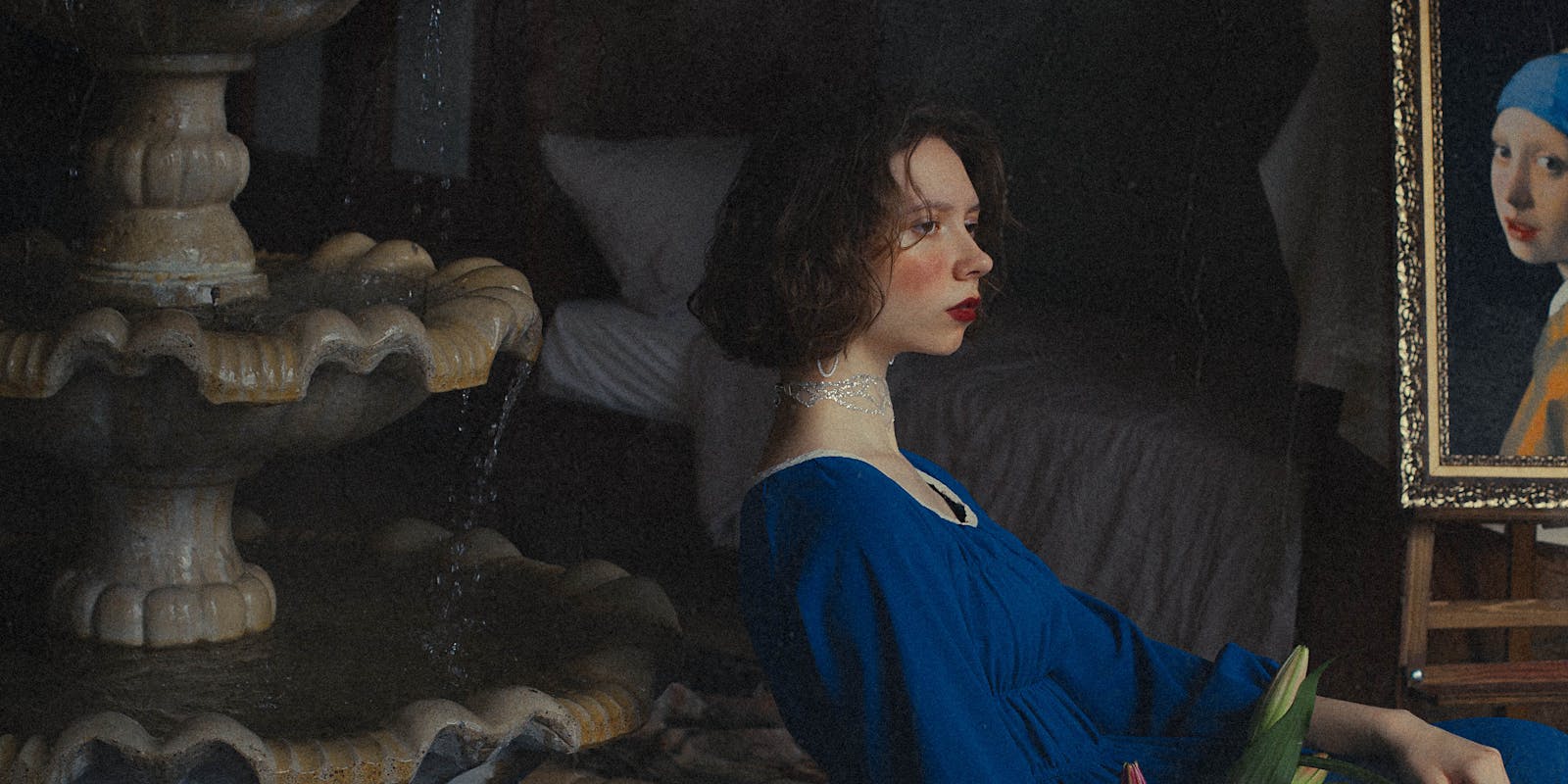
Lighting plays a crucial role in enhancing the overall impact of your art display. It is not just about illuminating the artwork; it is about creating an atmosphere that captivates viewers and draws attention to the beauty and intricacies of the pieces on display. The right lighting can elevate a simple display into a visually stunning showcase that commands attention and leaves a lasting impression.
One key aspect to consider when using lighting to enhance your art display is the type of lighting fixtures you choose. Different types of lighting, such as spotlights, track lighting, or ambient lighting, can create different effects and highlight different aspects of your artwork. For example, spotlights can be used to draw attention to a specific piece or detail, while ambient lighting can help create a warm and inviting atmosphere for viewers to immerse themselves in the art.
Another important consideration is the color temperature of the lighting. Warm lighting with a slight yellow or red hue can create a cozy and intimate feel, while cooler lighting with a blue or white hue can give a more modern and sleek look to the display. Experimenting with different color temperatures can help you find the perfect balance that complements your artwork and enhances its visual appeal.
The positioning of the lighting fixtures is also key to creating an impactful art display. By strategically placing lights above, below, or to the side of the artwork, you can create depth, shadows, and highlights that add dimension and drama to the display. Additionally, adjusting the angle and intensity of the lights can help you control the focus and mood of the display, guiding viewers' eyes to specific details or creating a dynamic play of light and shadow.
In conclusion, mastering the art of eye-catching displays involves understanding the transformative power of lighting and using it to create a visually striking and engaging showcase for your artwork. By experimenting with different types of lighting fixtures, color temperatures, and positioning, you can elevate your art display and create a memorable experience for viewers
Tips for Curating a Cohesive and Eye-Catching Gallery
Tips for Curating a Cohesive and Eye-Catching Gallery
Creating a visually stunning gallery display involves more than just putting artwork on the walls. To truly master the art of eye-catching displays, it's essential to consider various factors that contribute to a cohesive and captivating exhibit. Here are some tips to help you curate a gallery that impresses and inspires:
1. **Theme and Concept**: Begin by establishing a clear theme or concept for your gallery display. Whether it's based on a specific art movement, color scheme, or subject matter, having a coherent theme will tie the artworks together and create a cohesive visual narrative.
2. **Balance and Composition**: Pay attention to the layout and placement of artworks within the gallery space. Aim for a balance between different sizes, shapes, and styles to create visual interest. Consider the flow of the display and how viewers will move through the space.
3. **Consistent Framing and Matting**: Consistency in framing and matting can elevate the overall presentation of your gallery display. Choose frames and mats that complement the artworks without overpowering them. Consistent framing can help unify the pieces and enhance the gallery's overall aesthetic.
4. **Consider Scale and Proportion**: When arranging artworks, take into account the scale and proportion of each piece. Avoid overcrowding the walls and give each artwork enough space to breathe. Experiment with different arrangements to find the right balance between larger statement pieces and smaller works.
5. **Lighting and Ambiance**: Lighting plays a crucial role in showcasing artwork effectively. Ensure that the gallery space is well-lit to highlight the details and colors of the artworks. Consider using a combination of natural and artificial lighting to create a welcoming and engaging ambiance.
6. **Interactive Elements**: Incorporating interactive elements into your gallery display can enhance the viewer's experience. Consider adding placards with information about the artworks, interactive digital displays, or even QR codes that provide additional context or multimedia content.
7. **Curatorial Voice**: Infuse your unique curatorial voice into the gallery display. Whether it's through thematic juxtapositions, storytelling, or highlighting connections between artworks, let your curatorial perspective shine through to create a memorable and engaging exhibition.
By incorporating these tips into your curatorial process, you can elevate your gallery displays to captivate audiences and leave a lasting impression. Mastering the art of eye-catching displays is about creating a visually compelling experience that resonates with viewers and showcases the beauty and power of art
Conclusion
In conclusion, mastering the art of eye-catching displays is a multifaceted endeavor that involves understanding the psychology behind art arrangements and selecting the perfect pieces to evoke emotions and spark curiosity. By delving into techniques that go beyond mere aesthetic appeal, you can create engaging displays that speak to the soul and draw viewers in. We explored the transformative role of lighting in enhancing art displays and provided tips for curating a cohesive and visually striking exhibition. By taking these insights to heart and focusing on creating a story that captivates the audience, you can elevate your display skills and craft an immersive art experience that transcends the ordinary. Remember, the art of display is not just about showcasing pieces—it's about creating an emotional connection and leaving a lasting impression that resonates with all who behold it